Cart
0
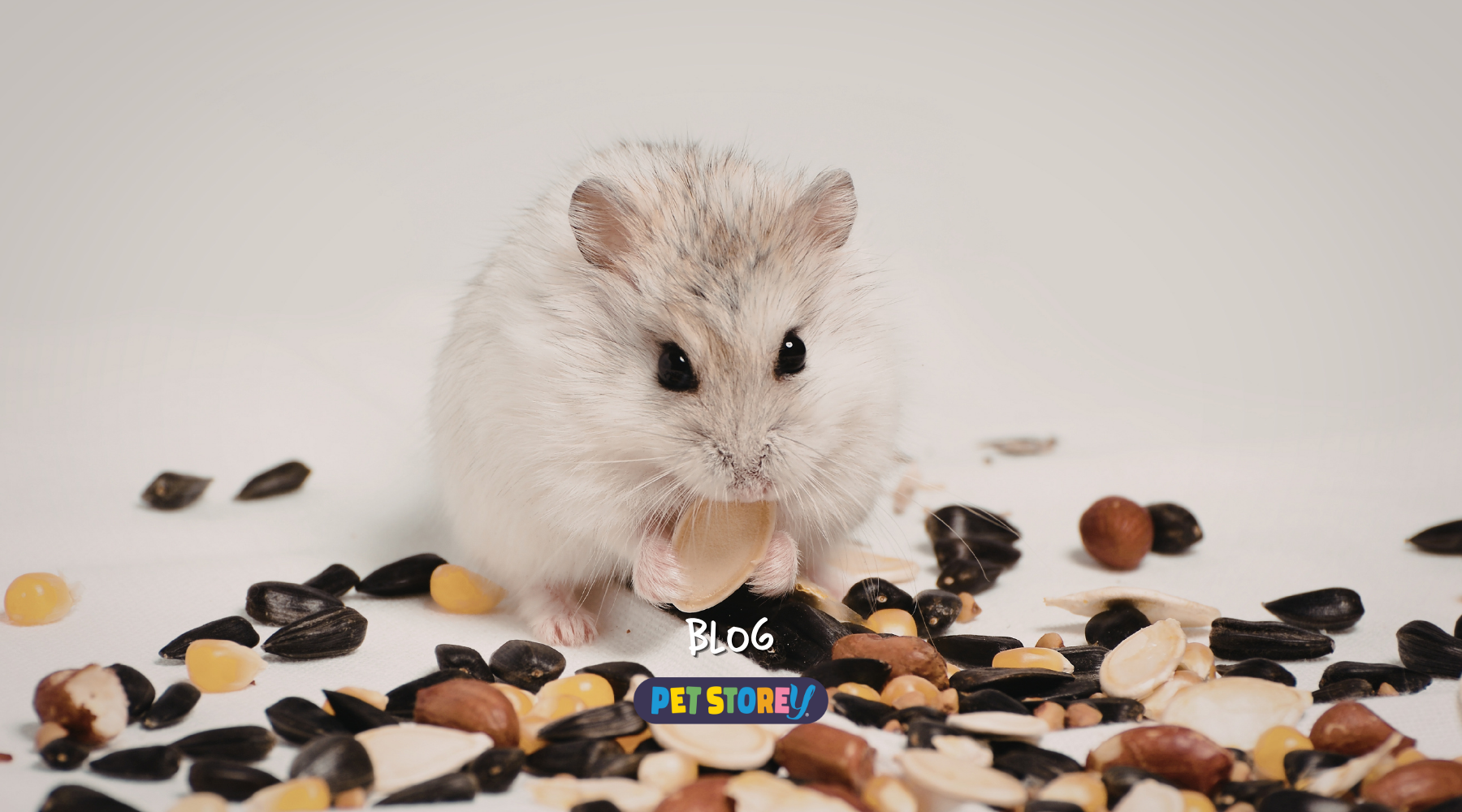
Good nutrition is one of the most important factors in a pet’s quality of life. From dogs and cats to birds, fish, and reptiles, what an animal eats impacts their overall health, longevity, energy levels, and happiness. At Pet Storey, we believe every pet deserves a balanced diet tailored to their species and life stage. This guide will help pet owners understand the basics of nutrition and make informed choices for their furry, feathery, or scaly companions.
Why Pet Nutrition Matters
Nutrition affects nearly every system in an animal’s body. A healthy diet supports:
-
Growth and development
-
Immune function
-
Healthy weight maintenance
-
Digestive health and energy levels
-
Coat and skin health
-
Disease prevention
Conversely, a poor diet can lead to obesity, underweight conditions, musculoskeletal problems, metabolic disorders, and shorter lifespans. Providing the right nutrition helps pets live longer, healthier, and happier lives.
Understanding Species-Specific Needs
Dogs
Dogs are omnivores, needing a mix of protein, fats, and carbohydrates. Key considerations include:
-
High-quality protein: Chicken, beef, lamb, or fish for energy and muscle repair
-
Balanced fats & carbs: Whole grains and vegetables for digestion and energy
-
Life-stage nutrition: Puppies need energy-rich diets; seniors may need joint supplements and fewer calories
-
Breed-specific diets: Certain breeds have specific dietary requirements
-
Food formats: Kibble, wet food, or fresh/frozen meals – all nutritionally complete options
Tip: High-quality commercial dog foods are balanced for all essential nutrients. Homemade raw diets require careful planning.
Cats
Cats are obligate carnivores, relying on meat-based diets for survival. Essentials include:
-
Meat-based protein: Chicken, turkey, or fish
-
Taurine and amino acids: Essential for heart, eye, and overall health
-
Life-stage foods: Kittens need protein-rich food; seniors benefit from kidney and joint support
-
Food formats: Combination of wet and dry food
-
Hydration: Cats naturally drink little; wet food helps prevent urinary issues
Tip: Proper hydration reduces urinary crystal formation and supports bladder health.
Birds
Birds require varied diets and should not live on seeds alone. Guidelines:
-
Pellets (60%): High-quality formulated bird food with essential vitamins
-
Fruits & vegetables (30%): Apples, carrots, spinach, kale
-
Seeds in moderation: Only as treats, high-fat content
-
Avoid toxic foods: Chocolate, caffeine, avocado, onion, garlic, apple seeds, alcohol
-
Encourage foraging: Scatter food, use toys, and wrap food in paper
Tip: Foraging reduces boredom and stress, and supports natural behaviors.
Small Mammals
Rabbits, guinea pigs, rats, and hamsters need high-fiber diets:
-
Hay & grass (80%): Prevents dental disease and supports digestion
-
Species-specific pellets: Ensure proper vitamins and minerals, e.g., Vitamin C for guinea pigs
-
Leafy greens & veggies: Daily variety for nutrients
-
Occasional fruit: Treats in moderation
-
Dental health: Continuous chewing wears teeth naturally
Tip: Avoid soft diets that don’t provide abrasion; monitor teeth for overgrowth.
Fish
Fish diets vary by species, freshwater vs. saltwater, and feeding habits:
-
Flakes or pellets: Base diet for nutrition
-
Variety & supplements: Frozen/live foods like brine shrimp, bloodworms, or algae wafers
-
Portion control: Feed only what can be eaten in 2–3 minutes
-
Water quality: Maintain filtration, dechlorinate water, and perform regular changes
Tip: Overfeeding harms water quality and fish health.
Reptiles
Reptile nutrition is highly species-specific:
-
Herbivores: Tortoises – leafy greens and vegetables
-
Omnivores: Bearded dragons – plants + insects
-
Carnivores: Snakes – rodents or other whole prey
-
Supplements: Calcium and Vitamin D3 for bone health
-
UVB light: Essential for indoor reptiles to synthesize Vitamin D3
Tip: Always consult an exotic vet for exact dietary requirements.
Reading Pet Food Labels
Pet food labels are key to understanding nutrition:
-
Ingredient list: The first ingredients are the most important; look for named proteins like “chicken” or “salmon meal”
-
Guaranteed analysis: Shows protein, fat, fiber percentages
-
Nutritional adequacy statement: Indicates whether the food is complete or balanced for a specific life stage
-
By-products: Some organ meats are nutritious if clearly identified and properly formulated
Tip: Phrases like “chicken-flavoured” often indicate low protein content.
Feeding Guidelines & Best Practices
-
Portion control: Follow the label’s feeding chart; adjust for activity level and weight
-
Meal frequency: Puppies/kittens – 3–4 meals; adults – 1–2 meals; rabbits – unlimited hay
-
Fresh water: Always available; change daily
-
Hygiene: Wash bowls, utensils, and hands thoroughly
-
Raw feeding: High risk of bacterial contamination – handle carefully and store properly
-
Storage & shelf life: Follow FIFO (first in, first out), store food in cool, dry places, refrigerate opened food
Regulatory Standards
-
In South Africa, pet food falls under Act 36 of 1947
-
Imported foods may refer to AAFCO (USA) or FEDIAF (EU) standards
-
Logos from these bodies indicate the food meets recognized quality and safety standards
Conclusion
Proper pet nutrition is essential to help pets thrive, live longer, and stay healthy. By understanding species-specific needs, reading food labels, following feeding guidelines, and encouraging natural behaviors, pet owners can provide the best care for their companions. At Pet Storey, we’re here to guide customers and pets toward happy, healthy lives.